
How to Protect Your Funds with an Offline Cryptocurrency Wallet and Stay Secure
What an Offline Cryptocurrency Wallet Does
If you hold any crypto, you probably already thought about the key question: how to keep it safe? An offline cryptocurrency wallet locks your private keys behind a physical barrier, so hackers are simply out of reach. This type of wallet does one big job: keep your keys off the internet. I like to think of it as a safe that never connects to the web. When you use such a wallet, your assets stay truly yours - no cloud, no remote server holding the keys.
Today we’ll walk through picking a device, backing it up, and keeping it off the cloud. Hey, don’t skip the backup part later - it’s really important. I care about this topic because losing keys means losing money for good. A simple step like writing your seed on paper can save you. The whole idea is to make sure no stranger can touch your funds from far away.
An offline cryptocurrency wallet locks your private keys behind a physical barrier, leaving hackers out of reach.
Hot and Cold Storage Basics
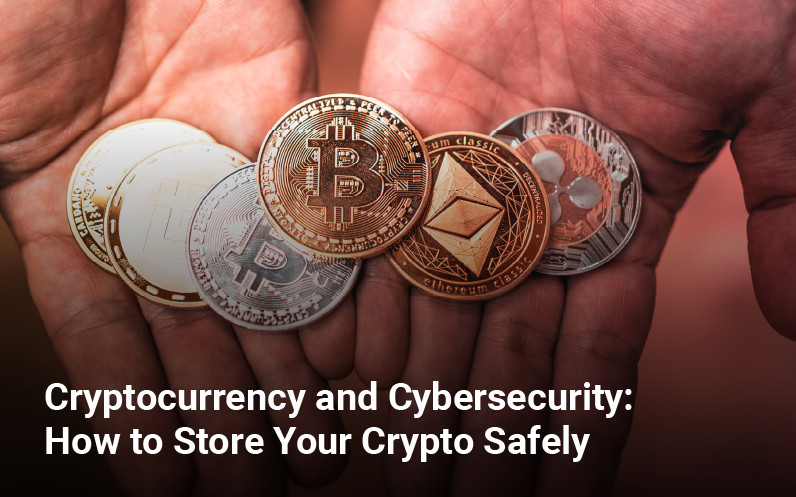
There are two broad types of crypto wallets. Hot wallets stay online. Cold wallets keep keys fully offline. The cold type is the preferred choice for long-term storage and big holdings. I call it the cryptocurrency cold wallet method because it just works. Hot wallets are fine for small daily spends, but they expose keys to online threats - a virus on your laptop could grab them in seconds.
Quick look at storage types
- Hot wallets are connected to the internet and good for daily use.
- Cold wallets keep private keys offline and are safe for savings.
- A how a cold wallet works is simple: keys never touch a network.
- Use hot only for small spendable amounts, not your life savings.
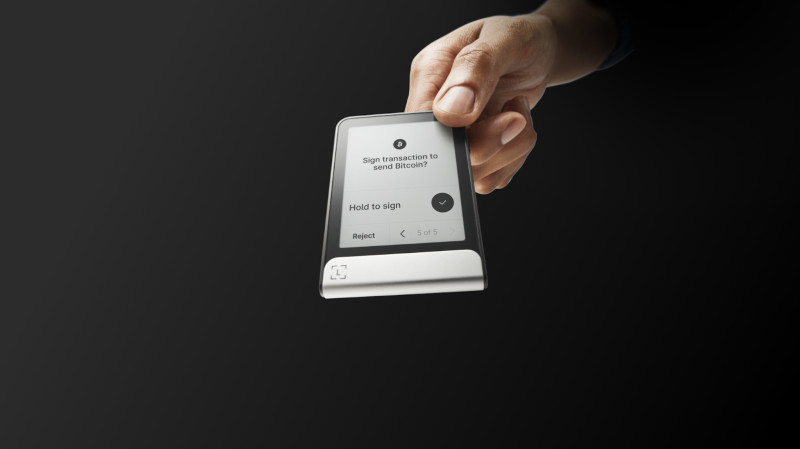
You might wonder how a cold wallet actually works in real life. It signs transactions on a device that is not online. Then you move the signed data to a connected machine. That keeps the key sealed away. I use this method for my own savings - and you should too if the amount matters to you.
Hot wallets include web and mobile apps that connect all the time. They are quick for trades, but the trade-off is clear. I keep maybe a lunch money amount there; the rest goes cold.
Custodial vs Non-Custodial Options
Within those groups you also pick who holds the keys. A custodial wallet lets a third party like an exchange hold them. Recovery is easier if you lose access, but you must trust the provider. I don’t love that idea for big money: if the exchange gets hacked or freezes, your funds can stall.
Non-custodial wallets give you full control. You are responsible for backups and security, but no one else can lock you out. For an offline cryptocurrency wallet, non-custodial is the way I lean. It means you own the seed and the keys - that fits the whole point of crypto for many folks.
Some exchanges offer custodial wallets by default. That’s fine for a start, but moving to your own non-custodial cold storage is a big step up. I did that and felt better right away.
Hardware Wallets for Cold Storage
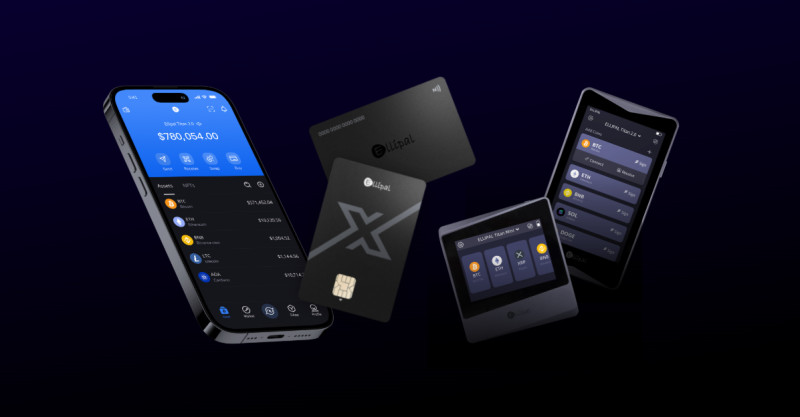
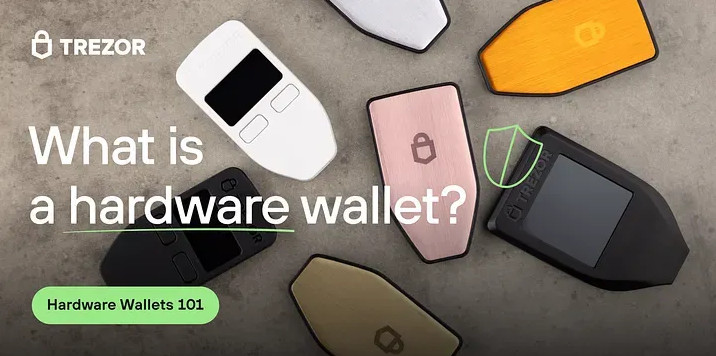
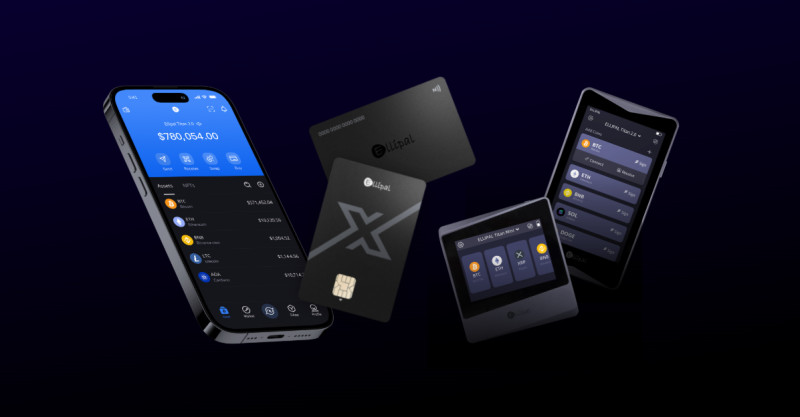
Hardware wallets are physical devices that store private keys offline. They balance security and usability. Common ones are Ledger Nano S, Ledger Nano X, and Trezor Model T. These protect keys even if the computer you plug into is compromised. I think that’s a huge relief when you think about all the bad software out there.
Popular hardware devices
- Ledger Nano S is a basic model that supports many tokens.
- Ledger Nano X has Bluetooth and larger capacity.
- Trezor Model T is a touch-screen device with open-source firmware.
- Store the device in a home safe or bank vault to stop theft.
I often tell friends to look at a ledger hard wallet for simple use. And trezor cold storage is a solid pick too. Both keep keys off the net. A cold wallet trezor setup is not hard to learn: just follow the maker’s steps and write your seed on paper. Then keep the device somewhere safe from fire and water.
Paper Wallets and Metal Backups
A paper wallet is a physical doc with your public and private keys, often as QR codes. Because keys never go online, paper wallets are immune to remote hacking. You create the key pair on an offline computer to avoid malware. I like the fact that it costs almost nothing to make one.
Metal backups like CryptoSteel give fire-proof and water-proof protection for recovery seeds. I think a cryptocurrency wallet usb can also hold encrypted keys, but paper and metal are true offline. A crypto wallet on usb should be encrypted at least. The seed is the master key, so treat it with the same care as the private keys themselves.
Making a paper wallet
- Generate keys on a machine with no internet connection.
- Print or write keys clearly, then store in a dry safe place.
- Make multiple copies in different spots like home and bank.
- Handle the paper with care to avoid water or tears.
A mnemonic recovery phrase is often used to regenerate the keys.
Most wallets give you a mnemonic recovery phrase of 12 to 24 words. You can write it on paper or metal. I suggest making more than one copy and keeping them apart, so a single disaster doesn’t wipe you out. This is plain common sense, but folks skip it.
Desktop and Mobile Wallets
Desktop wallets are software on your PC. They are more secure than online wallets because keys sit on a device you control. Mobile wallets run on phones and are handy for scanning QR codes, but they rely on the phone’s security. If the phone gets lost, you need a backup.
For offline use, you can pair these with hardware. A cold wallet app may help you manage funds while the key stays on a device. Just don’t keep large sums on the phone itself - I use a mobile wallet only for coffee money; the rest sits in cold storage.
Desktop wallets like Bitcoin Core store keys on your drive. That’s better than web but still tied to that machine. If the PC dies, you need the backup - so pair with cold storage for the bulk.
Online Wallets Are Risky
Online wallets work through a browser and store keys on remote servers. They are super convenient but the most vulnerable to hacking. I would never use them for large amounts - think of them like a wallet in your front pocket in a busy street: one wrong click and it’s gone.
If you must use one, keep only tiny amounts there. The rest should be in an offline cryptocurrency wallet - that’s the core of staying secure. You can always move more to hot when you need to spend, but don’t leave savings on a web wallet.
I once read about a web wallet breach that took lots of funds. That’s why I warn you: the convenience is not worth the risk for savings. Use them like a checking account, not a vault.
Best Practices for Securing an Offline Wallet
Securing an offline cryptocurrency wallet takes attention to detail. I pulled a checklist from many guides. Follow these and you cut your risk a lot. This is important - pay attention to each step. I try to keep my own setup simple so I don’t miss anything.
Security checklist
- Choose hardware or paper cold storage for most funds.
- Use unique complex passwords and a password manager.
- Enable two-factor auth with an app or hardware token, not SMS.
- Beware phishing scams that ask for seed phrases.
- Keep firmware and software updated to patch holes.
- Never share private keys; store them offline not in cloud.
- Back up your wallet with encrypted methods.
- Diversify storage: majority in cold, small in hot.
- Consider multi-signature wallets for extra safety.
- Limit exposure: only daily spend in hot wallets.
- Plan for inheritance with sealed seed or trusted service.
- Secure your network with antivirus and VPN when online.
Among these, the best wallet to use for cryptocurrency for savings is a cold one. And a base cold wallet follows the same rules if you use that network. I want to stress the backup and phishing parts: scammers send fake mails asking for your seed. Never type it on a website - keep it on paper or metal only.
Backup Strategies That Work
A good backup plan follows the 3-2-1 rule: three copies, two media, one offline. I like this because it covers fire, loss, and theft. You can use a backup program for local wallet files like wallet.dat - that file holds your keys for some desktop wallets.
Ways to back up
- Automatic backups of local wallet data to cloud for quick recovery.
- Export keys to encrypted USB drive or encrypted cloud.
- Save a mnemonic seed of 12-24 words on paper or metal.
- Physical backups like laminated paper or steel tiles.
When you export keys, use encryption tools like BitLocker or GPG. A cryptocurrency wallet usb that is encrypted is a fine place. But the seed is the master key - treat it like gold. I make two paper copies and one steel copy: one stays at home, one in a bank box. That spreads the risk.
Multi-Signature and Deep Cold Storage
Multi-signature wallets need multiple keys to authorize a transaction. This adds redundancy and makes theft harder. I find it great for shared funds or extra caution - if one key is lost, you still have others.
Deep cold storage is the extreme form. You generate keys on an air-gapped computer, sign there, and store backup in a bank box. That ensures keys never touch the internet. Even if your PC is compromised, the keys stay safe. I see this as the vault of crypto.
Deep cold storage ensures that even if the computer is compromised, the keys never touch the internet.
To do this, you need a machine that has never been online. You create the wallet there, write the seed, then shut it away. Transactions are signed on that machine and moved out via USB stick. It’s a bit of work but worth it for big sums.
Picking the Right Wallet for You
When you evaluate a wallet for offline use, check security features, supported coins, and usability. See if it works with Ledger or Trezor. Fee structure and brand reputation matter too. I always research the track record before buying - a wallet with a bad history is a no go.
Wallet selection points
- Does it support offline key storage and PIN protection?
- Ensure it supports the coins you hold like Bitcoin or Ethereum.
- Look for an interface you can use without stress.
- Check hardware compatibility with popular devices.
- Know the fee structure before committing.
- Research reputation and community support.
The best wallet to use for cryptocurrency depends on your needs. For max safety, hardware or paper wins. For convenience, mobile has a place but small funds only. I lean toward a simple ledger hard wallet for most folks - it’s easy and proven.
Usability matters if you stake or trade often. A clunky wallet leads to mistakes - I pick one with a clear screen and simple buttons, and that cuts errors.
Storing Cardano ADA Offline
Cardano’s ADA can be stored in several wallet types. Daedalus is a full-node desktop wallet with staking and voting. You can link it to a Ledger or Trezor for offline key storage - that’s a strong combo. I like that it downloads the whole chain for full control.
Other wallets support ADA: Nami, Flint, Atomic, NuFi, AdaLite, Eternl, Typhon, Guarda, and more. But for true offline, pair with a hardware device. I’d stick to the ledger hard wallet or trezor cold storage for peace of mind. The key stays on the device while the app handles the rest.
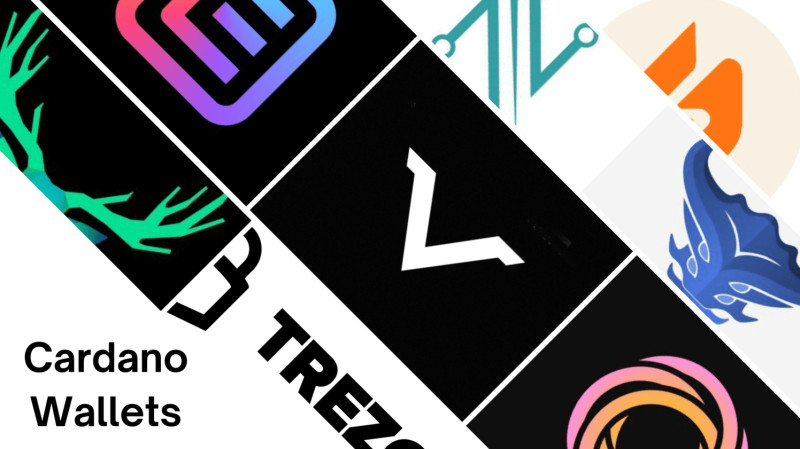
ADA staking can be done while keys stay on hardware. Daedalus supports that link, so you get rewards without exposing keys. That’s a win in my book.
When to Buy a Hardware Wallet
Buy a hardware wallet when your holdings reach a value that justifies the cost, or when you move to self-custody. Getting one early lets you learn it before any crisis. I think it’s smart to have it ready - you don’t want to set it up in a panic.
Don’t wait for an emergency. A cryptocurrency cold wallet is cheap insurance. You can buy from the maker or authorized sellers. I suggest ordering direct to avoid tampering - the price is small next to the funds you protect.
How to Swap Coins Safely
Swapping tokens while keeping assets offline reduces exchange hack risk. The usual flow: send from hardware wallet to exchange, swap, withdraw to another hardware wallet. This way private keys never touch an online environment during the trade. I use this method when I rebalance.
You can use a cold wallet app to track the move. But the key stays on the device - that’s the safe path. Never enter your seed on an exchange site; keep the signing offline.
Some swaps use decentralized exchanges that connect to your hardware wallet directly. That’s even better: the key signs the trade but stays put. Look for that option when you can.
Supply Chain Attacks and Prevention
Supply chain attacks tamper with a hardware wallet between factory and you. Prevention is key. Check serial, hologram, and packaging against official sources. Inspect for opened seams or loose parts - I always film the unboxing just in case.
Stop tampering
- Verify authenticity with official checks.
- Inspect device for signs of opening.
- Use only manufacturer firmware updates to reset.
- Buy from trusted sources only.
By confirming the hardware’s integrity, you eliminate a critical attack vector.
If the box looks odd, send it back. A few minutes of check can save your savings. I can’t stress this enough - the device should feel sealed and new. Only then do you set it up.
Common Questions on Crypto Wallets
People often ask which wallet is best. For max security, hardware and paper lead. For low fees, some software wallets charge only network fees - hardware itself does not add fees. I tell new folks to start with a known brand.
FAQ quick answers
- Best wallets depend on needs; Ledger and Trezor are top for safety.
- Lowest fees often come from Coinbase Wallet or Trust Wallet.
- Buy hardware from makers; download software from official sites.
- Safest is a hardware wallet kept offline with strong backup.
I hope this clears up the main points on offline cryptocurrency wallet use. Keep your keys off the net and you sleep better. That’s all I got for now. If you want more, check the pics and guides I linked earlier.
Popular searches show folks want wallets for specific coins and low fees. I get that, but security should lead the list. A cheap wallet that gets hacked is no bargain.
Comments on “How to Protect Your Funds with an Offline Cryptocurrency Wallet and Stay Secure”
No comments yet. Be the first to share your thoughts.