
Compare Cryptocurrency Payment Processors: Fees, Security, and Best Use Cases

What Are Cryptocurrency Payment Processors
A cryptocurrency payment processor is the back-end software and infrastructure that lets a merchant accept digital assets. Think of it as the engine running behind the scenes. When a customer picks crypto at checkout, the processor watches the blockchain, confirms the funds landed, swaps them if needed, and deposits the settled amount into a bank account, a crypto wallet, or a stablecoin wallet. Most crypto payment services blend the gateway and processor into one package, handling everything from start to finish.

Key components of a crypto payment flow
- Customer chooses a supported coin or token at checkout
- Gateway generates a wallet address or QR code
- Processor monitors the blockchain for the transaction
- Funds are confirmed and converted if required
- Settled amount is deposited to the merchant's chosen destination
Payment Models in the Crypto World
Most processors fall into one of three buckets. Crypto-to-crypto skips the middleman entirely, the customer sends crypto and the merchant gets crypto or a converted asset. Fiat-to-crypto lets the customer pay with a regular card while the merchant receives stablecoins or Bitcoin. Crypto-to-fiat flips that, the customer sends crypto and the merchant gets dollars or euros. Each model serves different needs and attracts different customer bases.
How the three main models compare
- Crypto-to-crypto: customer pays with crypto wallet, merchant receives crypto or stablecoins
- Fiat-to-crypto: customer uses card or bank wallet, merchant gets crypto settlement
- Crypto-to-fiat: customer pays with crypto, merchant receives traditional currency
Choosing the Right Processor for Your Business
The right processor depends on what you're building. A small shop on Shopify might want a simple plugin with instant fiat conversion. A tech-heavy operation might prefer the control of a self-hosted option like BitPay . High-risk businesses need strict compliance. Regulated outfits demand licenses. Cross-border shops need multi-currency support. Match the tool to your actual use case, not just the feature list.

Fees You Should Expect
Crypto gateway fees typically sit between 0.5% and 1%. Some processors charge more for conversions or add flat fees on top. BitPay combines a percentage cut with a per-transaction dollar amount. Self-hosted solutions cut the processor fee but you still pay for servers, domain names, and your own dev time. Always calculate the total cost, not just the headline rate. Hidden fees like network charges, exchange spreads, or bank withdrawal costs can sneak up fast.
Real-world cost example at $50000 monthly volume
- NexaPay charges 1% which costs $500 per month
- NOWPayments charges 0.5% which costs $250 per month
- BitPay charges 1% plus $0.25 per transaction which costs $625
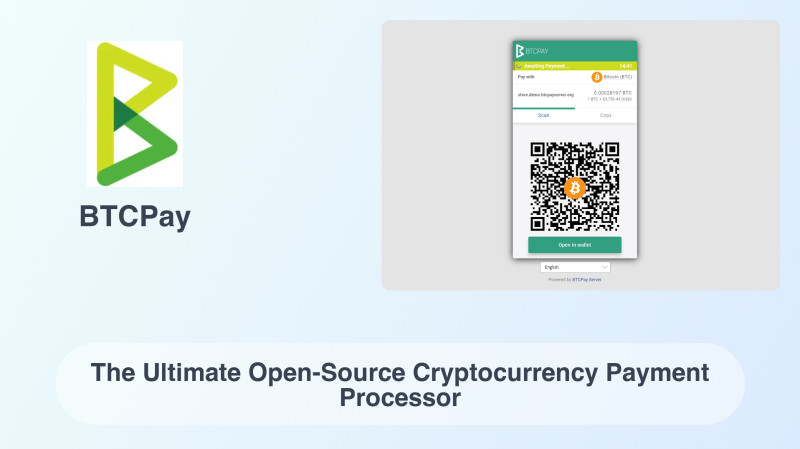
- BTCPay charges 0% but you pay for your own server hosting
Stability vs. Volatility in Settlement Assets
Taking Bitcoin or Ethereum without immediate conversion means riding the price rollercoaster. The value could swing hard between the moment of payment and when you cash out. Stablecoins like USDC and USDT track the dollar closely, cutting that risk. But stablecoins come with their own baggage like redemption terms and counterparty risk. Some merchants hold stablecoins to avoid bank delays, others convert right away for peace of mind.
Stablecoins reduce exposure to price swings associated with BTC and ETH, but they introduce their own operational, regulatory, and counterparty considerations.
Custody Choices That Actually Matter
Custodial processors manage your keys and hold funds during processing. That's convenient and makes compliance easier, but you're trusting someone else with your money. Non-custodial gives you the keys but puts the responsibility squarely on you. If you lose the key, the funds are gone for good. There's no reset button with crypto. Self-hosted systems take this to the max, total control but total responsibility.
Security Features Worth Looking For
Good processors layer security everywhere. We're talking encryption, two-factor auth, cold storage, API-key protection, and role-based access. You want fraud detection, real-time monitoring, and clear answers about how keys are handled. Ask what happens if something goes wrong. How do you recover an account? What if someone tries to drain your wallet? A solid processor explains all of this upfront, not after you've already lost funds.
Security basics to verify with any processor
- Multifactor authentication and strong API keys
- Cold storage for long-term holdings
- Clear private-key handling policy
- Transaction monitoring and fraud detection
- Audit logs and incident response plan
KYC, AML, and Legal Compliance
Compliance rules shift by region. A processor might need a money transmitter license in the U.S., FCA registration in the UK, or VASP status in the EU. Some require full docs upfront. Others claim no KYC at all. That latter approach sounds freeing but can bite you when regulators knock on your door. Always check where the processor operates and what licenses cover which regions. Operating in a gray zone feels fast until you get frozen accounts or angry auditors.
A processor that operates internationally should be able to identify the jurisdictions in which it is authorized and the jurisdictions in which a particular settlement or asset is restricted.
Integration Options for Developers
Plugging in crypto payments can be as easy as dropping a Shopify app or as complex as writing custom API calls. Hosted pages take the least effort. Payment links work for one-off sales. APIs give you full control but demand engineering bandwidth. Check what your commerce platform supports out of the gate. Webhooks, QR codes, recurring payments, and refund workflows vary by provider. Make sure the pieces you need actually exist before you commit.
Customer Experience Makes or Breaks Adoption
Your checkout better be smooth. Customers juggling wallets, fees, and confirmation screens bail fast if it feels clunky. The interface should show exact amounts, clear network fees, and confirmation status. No one wants to hunt down a support ticket because a transaction timed out. Responsive support teams matter too when someone sends funds to the wrong network or overpays fees. A clean checkout and good communication win trust.
The interface should display the correct amount, wallet address or payment method, network fees, confirmation status, and any conversion rate.
Accounting and Reconciliation Headaches
Crypto payments don't slot neatly into spreadsheets. You're matching blockchain transaction IDs with bank deposits while tracking exchange rates, network fees, and timing gaps. Then there's tax reporting, revenue recognition, and multi-entity bookkeeping. Some processors give solid reports that feed directly into QuickBooks or Xero. Others dump raw data and leave you to sort it out. Pick a system that saves you hours on the back end, not adds them.
Records worth keeping for accounting and tax
- Transaction ID and wallet address
- Token type and blockchain network used
- Conversion rate at time of payment
- Settlement amount after fees
- Final deposit destination (bank, wallet, stablecoin)
Self-Hosted vs. Third-Party Trade-offs
Running your own payment processor feels like digital independence. BTCPay Server gives you control, no mandatory KYC, and no middleman taking cuts. But you handle server maintenance, backups, upgrades, and security patches. One misconfigured firewall and you're offline or compromised. Third-party gateways handle the tech but take fees and hold your data. Weigh control against convenience every time.
Popular Processors Compared
Different tools serve different needs. BitPay handles enterprise volume with strict compliance. Coinbase Commerce leans on brand recognition and direct fund control. NOWPayments supports massive asset variety. CoinGate bridges online and offline sales. Stripe keeps things simple for devs already deep in its ecosystem. Each comes with its own quirks, fee structures, and limitations. Knowing your workflow helps you pick the right fighter.
Different dated comparisons use different lists because they emphasize different segments. One 2025 overview identifies NOWPayments, Coinbase Commerce, CoinGate, BitPay, CoinPayments, OpenNode, and Transak as seven major gateways.
Stablecoins as Business Tools
Stablecoins like USDC and USDT bridge crypto speed with dollar stability. Merchants love them for cross-border payments and instant settlements without wild price swings. They cost less than wires and settle faster than ACH. But liquidity, redemption terms, and regulatory clarity still matter. You're not getting FDIC protection, and issuers can freeze wallets. Treat them as utility tokens, not savings accounts.
where to grab USDC for your walletUse cases where stablecoins shine
- Instant cross-border payouts without bank delays
- Settling international invoices quickly and cheaply
- Avoiding currency conversion markups
- Moving money between platforms programmatically
Agent Payments and Micropayment Futures
AI agents are starting to pay for services themselves, buying API access, data feeds, and cloud compute in tiny fractions of pennies. Protocols like x402 let agents sign and settle micropayments instantly using stablecoins. Amazon's AgentCore Payments experiment shows where this heads: autonomous workflows paying for real-time resources programmatically. Early days, but imagine agents booking flights or licensing stock photos while you sleep.

apps built for speed and micropayments"There will soon be more AI agents transacting than humans, and they need money that's built for the internet."
Real Risks and How to Mitigate Them
Crypto payments aren't risk-free. Wallet typos send funds to dead addresses. Network congestion delays confirmations. Phishing sites steal credentials. Double-spend attacks target weak confirmations. Even legit mistakes happen, like sending BTC to a BSC address. You need clear refund policies, staff trained in crypto basics, and backups of every private key. Assume something will go wrong, then build plans for it.
Crypto payments are generally final once confirmed. The materials state that this reduces the possibility of fraudulent chargebacks and can be useful for high-risk retail sectors.
Reading Between the Marketing Lines
Provider claims rarely match reality. Fees jump. Supported assets change. KYC rules tighten. Geographic restrictions pop up overnight. Always test before trusting with real money. Start small, track performance, and keep tabs on policy updates. A processor that seems perfect today might add friction tomorrow. Stay skeptical and keep alternatives ready.
apps that actually deliver valueFinal Notes Before You Decide
Picking a cryptocurrency payment processor is part tech stack, part business strategy. Consider fees, security, compliance, and your customers' habits. Don't chase the shiniest marketing deck, focus on what works for your actual transactions. And yeah, crypto payments aren't perfect yet, but they're improving fast. Stay flexible and keep learning.
figuring out where crypto fits your businessQuick checklist before signing up
- Confirm supported coins match your customers' wallets
- Verify settlement speed meets your cash flow needs
- Check compliance requirements in your jurisdiction
- Test refund and dispute handling workflows
- Review total cost including hidden network fees



Comments on “Compare Cryptocurrency Payment Processors: Fees, Security, and Best Use Cases”
No comments yet. Be the first to share your thoughts.