
How a Credit Card That Earns Crypto Can Build Your Savings: A No-Hype Breakdown

What a Credit Card That Earns Crypto Means
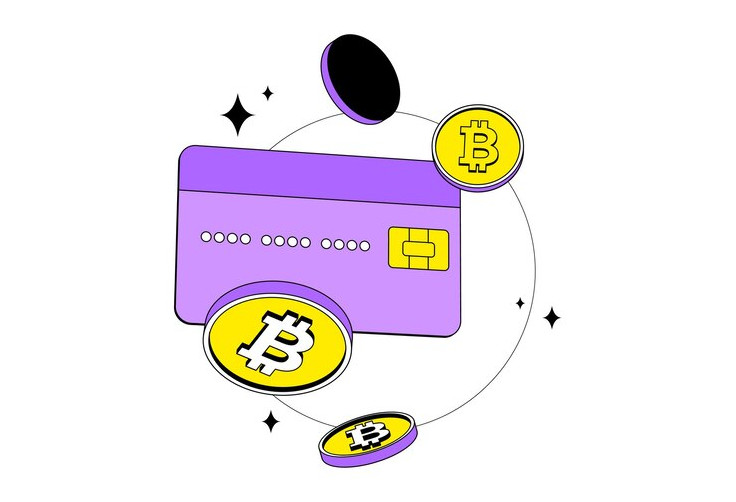
As a person who buys groceries, gas, or coffee, you, probably, already thought: how can I make that everyday spend quietly build something? A credit card that earns crypto is a card you use like any common bank card, but you get crypto back on your buys. The balance in your crypto pile grows calm, like a slow saving stream. Some of those cards are true credit lines; others spend your own crypto like a debit. The key phrase here is credit card that earns crypto, and that’s what we will break down today.
You might wonder how it’s different from a normal rewards card. Usual cards give points or cash back. These give Bitcoin, Ethereum, or stablecoins. Our sources show many firms now build such products. I like it because it turns daily spend into a small nest egg. And you don’t need to be a tech wizard: just a phone and a wallet.
Think of it as a way to stack coins while living life. You buy food, you get a bit of Solana or Bitcoin. No need to stare at charts all day. That’s the calm pitch I like - no hype, just a slow build.
Oobit Crypto Card and How It Works
Oobit offers a crypto card that works at over 150 million Visa merchants. They promise up to 10% cashback in crypto on eligible tokens. You connect your own wallet and pay straight from it. No need to move funds to a bank first - just tap and go. This is a good example of a product that sits close to a credit card that earns crypto, even if it acts more like a debit link.
The app lets you add the card to Apple Pay or Google Wallet. You can spend USDT, Bitcoin, Ethereum, and many stablecoins. It feels like a debit card linked to your crypto wallet. You spend what you hold - no loans, no interest. So it’s not a true credit line, but it shows the spirit of earning crypto on spend. Their FAQ says you can’t borrow or repay later like a credit card. Still, it teaches the habit.
Main Oobit benefits
- Get up to 10% crypto cashback on eligible tokens via a 5x rewards program
- Pay straight from your crypto wallet using DePay, no pre-loading required
- Support for dozens of tokens, not just one stablecoin
- Secured by advanced encryption and backed by Tether for reliability
Paolo Ardoino, Tether CEO, said: "User-experience perfection. Oobit + $USDT for payments in real-life."

Roger Ver also praised it: anyone can pay with Bitcoin Cash, Bitcoin, Tether, Ethereum and other crypto anywhere Visa is accepted right from a smartphone. That’s a big deal for everyday use. The card is free to create and hold. Any fee shows on the receipt. You can even add it to a smartwatch like any pay card. No pre-fund needed - Oobit stays in crypto until you pay.
Earn Crypto Cashback on Everyday Spend
The simple joy of a credit card that earns crypto is the cashback. Buy food at a supermarket, get crypto back. Fill gas, get crypto back. The Oobit card gives up to 10% on some tokens. Gemini’s Solana card gives up to 4% on gas and rideshare, 3% dining, 2% groceries, 1% elsewhere. That’s real money, just in crypto form.
I like that you see your crypto balance climb with no guesswork. You are not trading or timing the market. Just pay for life and collect. Some cards even stake the rewards automatically. Gemini does that with Solana rewards. So your earned crypto works for you while sitting in the account. It’s a quiet saving stream, as we said.
Even small buys add up. A coffee a day at 2% back in crypto over a year is a nice pile. The key is to use the card for things you already buy. Don’t spend more just to earn - that would beat the point.
BlockFi and Its Crypto Credit Card Plans
BlockFi is a loan provider that raised funds to build crypto products. They plan two crypto cards. One is a prepaid or debit-style card that spends loan proceeds. The other is an unsecured credit line with Bitcoin rewards. That second one is a true credit card that earns crypto.
The unsecured card works like a traditional AmEx but gives Bitcoin rewards instead of miles. They will launch where they already operate. Funds from a $4M round plus earlier $52.5M go to engineering and a crypto savings account. The savings account uses Gemini custody and aims for a rate higher than typical bank. This shows a path from loans to everyday spend.
BlockFi card strategy
- Prepaid or debit card spends loan proceeds, limit scales with crypto collateral
- Unsecured credit line earns Bitcoin rewards like an AmEx
- Savings account with Gemini custody, rate above bank savings
- Goal to broaden mainstream crypto use through familiar products
Zac Prince, BlockFi CEO, confirmed the savings rate will be higher than typical bank savings rates.
BlockFi grew fast even in hard markets. Prince talks long-term - think before act. That calm style fits a blog like mine. The cards roll out in markets they know. No wild jumps. If you want a real credit line with BTC back, watch this one.
Gemini Solana Credit Card Rewards
Gemini launched a Solana edition credit card. It earns Solana rewards on everyday buys and auto-stakes them. Up to 4% back on gas, EV charge, rideshare. 3% dining. 2% groceries. 1% other. Up to 10% at select merchants. This is a clear credit card that earns crypto.
Gemini’s first crypto-rewards card was an XRP edition with Ripple launched August 2025. Before that, they bought Blockrize in 2021, a startup for crypto-rewards cards. Tyler Winklevoss says it lets people invest in crypto by just buying daily stuff. I think that’s a neat way to stack coins without thinking.

Tyler Winklevoss framed the product as a way for consumers to invest in cryptocurrencies without having to decide how and when to buy – simply by making everyday purchases.
The auto-stake feature is rare. Your SOL rewards go to staking in your Gemini account. They earn yield without you lifting a finger. For a person who wants calm growth, that is sweet. The card ties into Gemini exchange, so you can sell or hold easy.
Leading Crypto Cards Compared
There is a group of top cards now: EtherFi Cash, Tuyo, Coinbase, Gnosis Pay, MetaMask. They show a shift to self-custody and yield while spending. Most have zero annual fee. Some need a phone app. The source gives a table of fees, cashback, and limits. I pulled the key bits for you.
Five cards at a glance
- EtherFi Cash: Visa, self-custody, 2-3% wETH, $0 fee, yield on staked ETH
- Tuyo: Visa, self-custody, points for future token, $0 fee, up to 11% APY vaults
- Coinbase Card: Visa/Amex, custodial, 1-4% BTC, $0 or paid tier, 2.49% convert fee
- Gnosis Pay: Visa, self-custody, 1-5% GNO, EU only, true non-custodial
- MetaMask Card: Mastercard, self-custody, 1-3% mUSD, 49 US states, Aave yield
Self-custody is the new default. Four of five let you keep your keys. Yield while spending is offered by EtherFi, Tuyo, MetaMask. Conversion fees can eat rewards. Coinbase charges 2.49% on non-stablecoin spend. That turns a 2% cashback into a loss. So watch the fine print. Geo matters: Gnosis EU only, MetaMask most US states.
The MetaMask Card launched and reached 49 US states - the widest for self-custody. It spends from MetaMask wallet via Linea. Free virtual card gives 1% mUSD. A $199 Metal tier gives 3% on first $10K and travel perks. That is a choice for folks wanting control.
Your Crypto Wallet With Card
A big term is a a card wired straight to your own wallet link. This means the card pulls from your own wallet, not a bank. Oobit does this via DePay. Gnosis Pay uses a Gnosis Safe. MetaMask spends from its wallet on Linea. You stay in control. That is a stark change from old pre-load cards.
I feel safe when I hold my keys. The encryption behind a crypto card protects the link between app and visa network. Encrypted sessions keep prying eyes out. Some cards add bio lock on phone. It is not perfect, but it is solid for daily use. You can connect to a smartwatch too, just like normal pay.
When you use a crypto wallet with card, you don’t send coins to a company first. The spend converts just the amount at point of sale. That means the rest stays put and maybe earns yield. This is the model I root for as a regular person.
Yield While Spending With Crypto Cards
Some cards let your crypto earn while you spend it. EtherFi uses staked ETH as collateral - you borrow against it, never sell. The collateral keeps earning. Tuyo has USDC Earn vaults up to 11% APY. MetaMask links Aave so deposits yield DeFi income. This is a quiet win for a credit card that earns crypto.
You do not need to park cash in a dead account. Your assets work and you still buy lunch. That beats a normal debit card by a mile. But check if the card is available where you live. Some are US only, some EU. And read if the yield is on the spend part or just the rest.
Pistachio.fi is building a card like this too - spend from yield vaults, zero gas, self-custody. No date yet. But the trend is clear: cards move to DeFi yield. I watch that space with calm interest.
Fees and Conversion Costs to Watch
Hey, don’t skip this part. Fees matter. A card may say 2% cashback but charge 2.49% conversion. That is net loss. Look for zero conversion cards: EtherFi, Tuyo, Gnosis Pay, MetaMask. FX fees also bite, around 1% on some. Annual fees mostly zero, but MetaMask Metal costs $199 a year.
Also some cards need a paid membership, like Coinbase One at $4.99 mo or $49.99 yr. Read the receipt. Oobit shows any fee on receipt. That is honest and I like it. The quick sell-to-debit at the register at point of sale may have hidden spread, so compare. Don’t get fooled by big cashback numbers.
ATM use is another gap. Coinbase and future Tuyo physical card give cash. Most others virtual only. If you need cash, check that. A credit card that earns crypto should fit how you live, not fight it.
Where You Can Use These Cards
Most cards run on Visa or Mastercard. That means over 150 million merchants worldwide. Oobit names Argentina, Brazil, South Africa, Switzerland, UAE among places. Coinbase works in US. Gnosis Pay EU only. MetaMask covers 49 US states. So geo matters a lot.
You can pay online, in store, tap with phone or watch. Blackbird Pay is a Visa rail for restaurants with flat 2% fee and instant settle. It shows crypto payments going main street. Though not a credit card that earns crypto per se, it uses $FLY token for loyalty. Still, it supports the push to everyday crypto spend.
Travel, food delivery, rideshare all work. The source lists transport and delivery as common scenes. Buy tech gear online, get crypto back. It is that normal now.
Blackbird Pay and Restaurant Crypto
Blackbird builds loyalty for restaurants. They issue membership NFTs and a $FLY token you earn by check-ins. Blackbird Pay is a Visa-compatible rail with 2% fee, instant settle, split bill. You can pay with cards, Apple Pay, or $FLY. It is a piece of the payments shift that helps a credit card that earns crypto feel normal.
Blackbird features
- Personalized loyalty with NFT tiers Neighbor to Fam
- $FLY token earned for check-ins, used for payments
- Blackbird Pay flat 2% fee vs 3-4% industry
- House accounts let restaurants raise capital from regulars
Ben Leventhal, founder, wants to scale the 'regular' experience while making hospitality profitable again.
The data part is neat: they build a guest profile with order history and check-in log on chain. Restaurants share it to serve you better. 38,811 wallets hold their NFTs, 142 NYC spots onboarded. It is early but shows crypto slipping into daily eats. Not a credit card that earns crypto, yet close in spirit.
Picking the Right Card for You
Choose based on where you live, what crypto you hold, and if you want credit or debit. If you want true credit, Gemini or BlockFi unsecured fit. If you want self-custody, EtherFi or MetaMask. Need high limit? Tuyo goes to $200K daily. European? Gnosis Pay. Main thing: a credit card that earns crypto should match your life.
The snappiest transfer app might be the one bundled with your card. Oobit, MetaMask, Coinbase all have apps. Speed matters when you convert at checkout. Also think about fee-free top-up options to top up if needed, though most spend direct from wallet.
Decision checklist
- Check conversion fee: pick 0% if you can
- Pick cashback token you actually want to hold
- Decide self-custody vs trust exchange
- Confirm your country is supported
If you are a long-time ETH holder, EtherFi lets you borrow without sell. If you are mainstream, Gemini trust may suit. There is no one best, just best for you. Take your time.
Safety and Card Security
Safety first, pals. Self-custodial cards keep assets in wallet you control. Custodial trust the exchange. All top cards require KYC. The crypto card’s cryptography and encryption keep data safe. Oobit uses advanced encryption. Gnosis uses Gnosis Safe smart contract. Use a watch or phone lock.
Don’t trust weird links. Use official app store. The where to grab coins question is separate, but once you own, the card spends it. If you need to make easy crypto buys , regulated exchanges help. And Robinhood’s crypto trading is another path though not tied to these cards directly.
The crypto-backed dollars stablecoins like USDT make spend easy because price stays flat. That cuts the wild swings when you buy milk. I sleep better using stable for daily spend.
How to Get Started With a Crypto Card
First, pick a card from the list above. Download app, verify ID. Connect wallet or add stablecoins. Add card to Apple Pay or Google Wallet. Then pay anywhere Visa takes it. For a credit card that earns crypto like Gemini, you apply and get approved. For Oobit, you just create free.
If you want to ACH buy without checks , that is not typical for these cards cause KYC needed. But some peer methods exist off card. The instant sell-to-debit feature inside apps helps you move to spend. Just tap and watch balance climb.
Start small. Use the card for one grocery trip. See the crypto land in your account. Then expand if you like it. No rush, no hard sell.
Why I Like This Quiet Saving
I like that a credit card that earns crypto turns boring spend into growth. No hype, just groceries and gas building a pile. The space keeps moving to self-custody and yield. Oobit, BlockFi, Gemini, EtherFi, others show it works. You just need to read fees and pick right.
That is the no-hype breakdown. Pay attention to conversion and geo. Then tap and earn. It is that simple for many folks now. I hope this plain note helps you decide. The crypto card is not magic, but it is a calm tool.

Comments on “How a Credit Card That Earns Crypto Can Build Your Savings: A No-Hype Breakdown”
No comments yet. Be the first to share your thoughts.