
What You, Probably, Need to Know About Cryptocurrency Cold Wallets
What a Cryptocurrency Cold Wallet Is
As an owner of some crypto, you, probably, already wondered what an offline cryptocurrency wallet is. It’s a tool that holds the keys you need to use your crypto. It does not store the coins themselves - they live on the blockchain. Your wallet just keeps the proof that you own them and lets you send them. I think that trips up a lot of new folks who expect a wallet to work like a bank app.
There are two kinds of keys in any wallet. A public key is like an account number you can share to get paid. A private key is the secret code that lets you spend or move funds. Secure key care is the base of all crypto safety. If someone gets your private key, they get your money. Plain and simple. The wallet stores these keys, not the asset, and that is a key point to grasp early.
I like to remind readers that a cryptocurrency cold wallet simply means the place where keys are made and kept has no link to the net. That single fact cuts out a whole world of remote threats. You do not need fancy gear to get the idea. You just need to keep the secret offline.
Cold wallets keep private keys completely offline, dramatically reducing exposure to remote attacks.
Hot Wallets Versus Cold Wallets
Wallets split into two big groups. Hot wallets stay online. They are handy for daily buys or trades. But they leave your private keys open to hacks, phishing, and bad software. I would not keep a lot of coin in a hot wallet for long. The ease of use is real, yet the risk grows with every connection.
Cold wallets take the opposite path. They keep keys fully off the net. That makes it super hard for a remote attacker to grab them. For big sums or long hold, cold storage is the way most people feel safe. It is not magic, just good isolation. A hot wallet is like cash in your pocket, a cold one is cash in a safe.
The source puts it clear: cold storage is the preferred method for holding large or long-term crypto holdings. That matches my own view. If you plan to hold for years, why leave the key where a stranger can tap it? Move it to cold and relax a bit more.
How Does A Cold Wallet Work
So how a cold wallet works in real life? The device or paper makes and stores keys with no internet link. When you want to send crypto, you build the transaction on a normal computer. Then you move it to the cold device to sign. The key never touches the online machine.
Some folks use a cold wallet app on a phone that stays in airplane mode. That can work if done right, but dedicated gear is clearer. The main point is the sign step happens where no hacker can see. That is the heart of the protection. The computer may be infected, but it never sees the secret.
Think of it like writing a check and then having a separate locked box stamp it. The box never talks to the mailman. That is how a cryptocurrency cold wallet keeps you safe day to day. You still use your normal screen to view balances, but the final okay comes from offline gear.
Hardware Wallets For Cold Storage
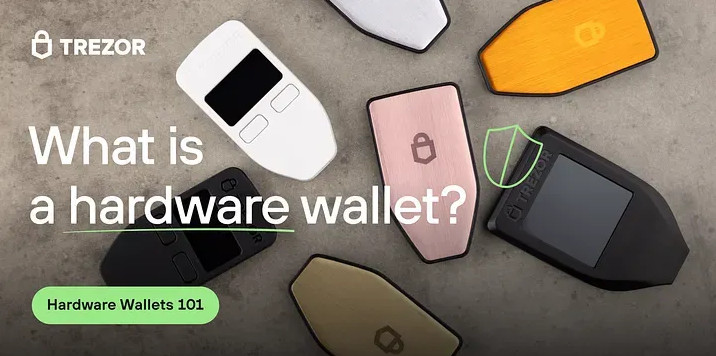
Hardware wallets are small devices made to generate and hold private keys offline. They often have a screen, a PIN, or even a fingerprint check. They support many coins. You sign on the device itself. Big names include Trezor, Ledger, and Ellipal. A cold wallet trezor is a common pick for starters. A ledger hard wallet is another solid choice.
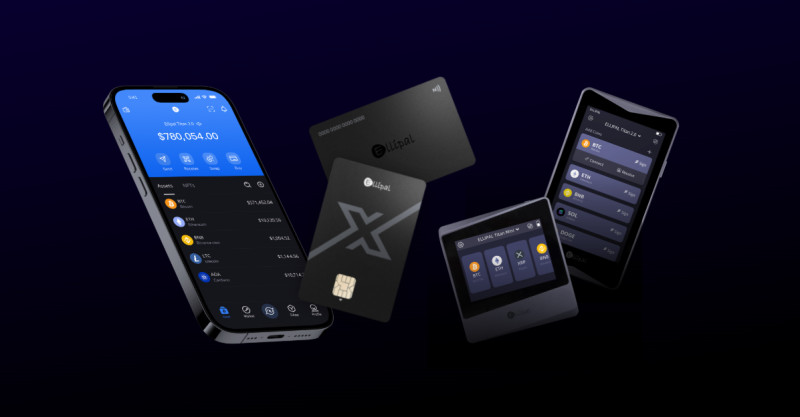
Ellipal makes a few models. The X Card costs about 69 dollars. The Titan 2.0 runs 169 dollars. The Titan Mini is 79 dollars. These aim for tamper-proof boxes and encrypted backups. You can also get a crypto wallet on usb style device, or a cryptocurrency wallet usb stick from other brands. The idea is the same: keep keys off the net.
These devices often ship with extras like seed steel backups and offline generators. The Joy Offline Seed Phrase Generator is one such tool. It makes your recovery words with no connection. I see that as a smart add-on if you want to avoid any chance of leak during setup. Hardware wallets also show the send address on their own screen so you can verify it.
Paper Wallets As Offline Backup
A paper wallet is just your public and private keys printed on paper. Often they show as QR codes. You make them on a computer with no internet using free tools. Then you print and hide the sheet somewhere safe and dry. It is low tech but it works. The keys never existed online if you did it right.
Risk is real though. Paper can burn, get wet, or get lost. Since the key is fixed, paper suits long hold with no frequent use. I would not use it as my only copy. Pair it with something tough. The source notes that printed public and private keys can be scanned via QR code, which is handy but also means you must guard the paper.
Because the private key is static, paper wallets are best for long-term storage of amounts that do not need frequent access.
If you go this route, use open-source tools you trust and never let the machine reconnect until the paper is printed. That simple rule keeps the keys clean. A friend of mine buried a laminated copy in a jar, which is rough but fits the spirit.
Metal Wallets For Seed Phrases
Metal wallets fix the weak points of paper. A product like CryptoSteel uses stainless steel tiles to spell out your seed words. It resists fire, water, and shocks. You get over 250 letter tiles and can store up to 96 chars of info. That is a durable backup for your recovery phrase.
These plates do not hold the keys directly like a device. They just keep the words you need to rebuild a wallet. If your hardware device breaks, the metal copy brings you back. I like the peace of mind for a few coins I plan to forget for years. You assemble the tiles by hand, which takes time but leaves no digital trace.
The CryptoSteel unit is just one example. The idea is to have a medium that survives a house fire or flood. A seed phrase on paper might not. So for true long-term hold, metal makes sense. It costs more than paper but lasts decades if stored well.
Picking The Right Cold Wallet
Choosing a device is not hard if you know what to check. Even a base cold wallet can do the job if it meets core needs. The best wallet to use for cryptocurrency depends on your coins and your comfort with tech. Do not let price alone guide you.
Key Things To Check
- Security features like offline key gen, encryption, PIN, and multi-sig support
- Seed phrase safety with durable medium and clear word labels
- Coin support for the specific cryptos you hold such as Bitcoin or Ethereum
- Brand reputation from track record and user reviews
- Price and features from budget cards to premium screens
- Usability including simple interface and backup options
Take your time. Read real user notes. A device is only as good as your habit of keeping the seed phrase safe. I always tell friends: the box is half the battle. The other half is you writing down the words and hiding them well.
Also think about how many coins you own. Some devices support hundreds, others just a few. If you hold XRP, Solana, or Tether, check the list before you buy. A mismatch means you need another wallet, and that adds risk.
Backing Up Your Seed Phrase
Your recovery phrase is the master key to all funds. Most modern wallets show 12 to 24 words. Write them down. Never type them into a connected computer. The first four letters of each word are enough to know the full word, by design. That helps if ink fades.
Ways To Back Up
- Automatic backup of wallet files using software like Backblaze
- Export keys to a file on USB, NAS, or encrypted cloud
- Mnemonic seed of 12-24 words written on paper or metal
- Physical backups printed or engraved off the net
- 3-2-1 rule with three copies, two media, one off-site
- Deep cold storage with air-gapped sign and bank box
Maintain three total copies of your backup, on two different media types, with one copy stored off-site.
The 3-2-1 rule is old school but gold. Three copies stops single loss. Two media types stops one failure mode. One off-site stops a house fire from wiping you out. I keep one copy in a bank box and one at home in metal. That fits the rule and lets me sleep.
Extra Security Steps To Take
A cold wallet is strong, but you can add layers. Encrypt backup files before they leave your hands. Use multi-sig so no single key can move funds alone. Make a new receive address each time to limit public tracking. These steps cost little but block many traps.
Good Habits
- Encryption of all cloud backups with client-side tools
- Multi-signature approvals to spread trust
- Address management with fresh addresses per tx
- Password hygiene with unique strong passwords
- Two-factor auth via app or hardware key, not SMS
- Software updates for firmware and OS
- HD wallets that auto-make new addresses
None of this is rocket science. It is just routine. I set a calendar note to check firmware twice a year. Keeps me calm. Password managers like 1Password or LastPass help with the unique passwords part. Use them for exchange logins, not for the seed itself.
Address reuse is a quiet leak. If you post the same receive address on a forum, folks can see all your funds. HD wallets fix this by making a new address each time. Turn that feature on if your device supports it. Small step, big privacy win.
Swapping Crypto Safely
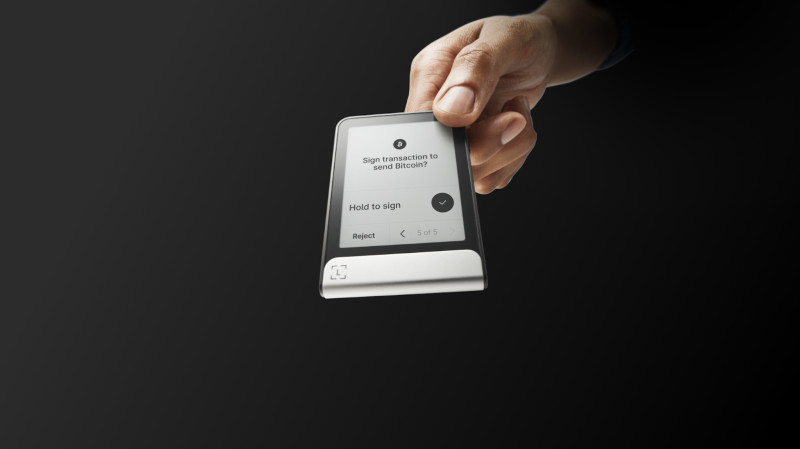
Moving coins between wallets needs care. The safe path is to let the hardware wallet do the sign. Send the funds to the device, check the target address on its screen, and approve offline. The key stays isolated. This blocks malware that swaps the receive address on your main screen.
Swap Steps
- Transfer funds to your hardware wallet first
- Verify recipient address on device display
- Authorize transaction while offline
- Confirm on blockchain explorer after send
If you use a swap service, read the fine print. The device screen is your last line of truth. Do not trust a pop-up on your main computer. I always take a photo of the signed screen with my phone just for my own record, then delete it. Old habit from when I messed up a send.
The guide from the blog on safe swaps notes the risks of hot wallet exchanges. A hardware device gives protection because the private key never leaves. That is the whole point of a cryptocurrency cold wallet in daily use.
Watch Out For Supply Chain Attacks
A cold wallet can be tampered before it reaches you. Bad actors might open the box and change the firmware. Always inspect the seal. Check the serial number against your receipt. Load updates only from the maker's own site. This is a real threat, not a myth.
Hardware devices can be tampered with before delivery. Inspect packaging for signs of opening.
I once got a device with a loose sticker and sent it back. Better safe than sorry. Your crypto is only as safe as the box it came in. Buy from the maker direct when you can. If you must use a reseller, film the unboxing. That sounds paranoid, but it is cheap insurance.
After setup, run the firmware update from the official site. That clears any bad code loaded before you got it. The source stresses verifying serial numbers. Do it. Two minutes of check can save a life's savings.
Planning For Inheritance
Crypto can vanish for heirs if they do not know where it is. Write down where devices and seed phrases live. Tell a trusted person how to use the metal backup. You might name a trustee who knows crypto. This is not just for the rich. Any amount deserves a plan.
Estate Steps
- Document location of all hardware wallets and seeds
- Provide clear access instructions for phrases
- Consider a trustee familiar with crypto procedures
- Keep password manager info in the plan
This is not fun to think about. But a lost seed is lost money forever. A simple letter in a safe does the trick. I wrote one last year and gave a copy to my brother. It lists the bank box key and the metal plate spot. No amounts, just locations.
The source warns that heirs may not know how to decipher seed phrases. So include plain steps. Say "use the steel plate, enter words in order" not just "see wallet". That small clarity saves confusion at a hard time.
Popular Cold Wallet Models
Here are some common picks and rough prices from the source. Ellipal X Card at 69 dollars is compact. Titan 2.0 at 169 has a big screen. Titan Mini at 79 is portable. CryptoSteel is a metal seed plate, not a device. Joy Offline Generator makes seeds with no net. These show the range of gear out there.
Models To Know
- Ellipal X Card - hardware wallet, 69 dollars, supports many coins
- Ellipal Titan 2.0 - hardware wallet, 169 dollars, USB and NFC
- Ellipal Titan Mini - hardware wallet, 79 dollars, strong encryption
- CryptoSteel - metal seed storage, fire and water proof
- Joy Offline Seed Phrase Generator - accessory for offline seeds
- Generic Trezor and Ledger follow similar price and security
Generic options such as Trezor and Ledger follow similar price ranges and security standards. The market has grown, but the core idea stays the same. Pick a brand with a long track record. A flashy new name may lack firmware support in two years.
Other Helpful Guides From The Blog
The ELLIPAL blog shares plain guides on cold wallet use. One covers crypto card wallets that blend spend and storage. Another asks when to buy a hardware wallet, saying it matters when your holdings grow or you want self-custody. Others explain supply chain risks and safe swaps. I found them useful as a regular reader.
There is also a post on whether two wallets can share a recovery phrase. The odds are so tiny it won't happen. The real task is securing your own unique seed. And a guide on trezor cold storage fits the same theme, though Trezor is not the only brand. The blog keeps pics and short advice for each topic, which helps visual folks like me.
One guide looks at the best time to get a hardware wallet. The simple answer: when your crypto value rises or you want true control away from exchanges. That lines up with the whole point of a cryptocurrency cold wallet. You move off the exchange and hold your own keys.
Why Offline Storage Matters To Me
I care about this topic because losing crypto to a hack is a dumb way to lose money. A offline cryptocurrency wallet puts you in control. No exchange can freeze it. No remote thief can touch it if you do it right. That feels good in a weird net world.
You do not need a tech degree. You need a plan and a bit of patience. Start with a small amount to learn the steps. Then move more as you gain trust in your setup. The first time you sign offline, you'll grin at how simple it is.
Some people say they don't trust themselves with a seed. But the alternative is trusting a company that can vanish. I know which risk I prefer. Cold storage shifts power to you, and that is the promise of crypto in the first place.
Simple Steps To Start Today
Pick a device from a known brand. Set it up offline. Write the seed on metal or paper. Store a copy off-site. Practice a send and receive with tiny funds. That is it. You do not need to grasp every line of code to be safe.
Cold storage is the preferred method for holding large or long-term crypto holdings.
Hey, don't skip the backup part. That is where most people mess up. If you lose the seed, no support line can help. Keep it simple, keep it offline, and you'll sleep fine. I still remember my first setup; I rushed the seed write and had to redo it. Slow down and you'll be okay.
And one more thing. Check your backup once a year. Make sure the metal plate is readable and the paper is not faded. A cryptocurrency cold wallet only works if the words survive. That's the whole game.
Comments on “What You, Probably, Need to Know About Cryptocurrency Cold Wallets”
No comments yet. Be the first to share your thoughts.