
How to Choose a Crypto Trading Wallet for Active Traders
What a Crypto Trading Wallet Is
As an active crypto trader, you, probably, already understand that a crypto trading wallet should do more than just sit and hold coins. I like to think of it as a small work desk which fits in your phone. It stores private keys which prove you own assets on the chain, but also lets you move tokens, check prices and open trades without jumping to other apps. The source I read says: a wallet is a software program which stores, sends and receives cryptocurrencies, and it does not hold actual coins themselves. That idea is key: the wallet guards your keys, not the tokens.
A normal wallet just keeps your stuff safe for the long haul. But a crypto trading wallet brings swaps, perps, prediction markets and copy trading into one place, so you can act fast. The reading calls it a mobile trading workspace, not just a token vault, and that makes sense to me because prices can jump in seconds. If you only hold and never trade - a simple storage app is fine. If you trade often - you want a tool built for the job.
Types of Crypto Wallets
Before picking a crypto trading wallet , it helps to know basic kinds out there. A software wallet lives on your computer, with examples like Electrum, Exodus or Jaxx, and it is convenient but open to device hacks. An online wallet is cloud based, reachable from any device with a password, often tied to exchange platforms. A mobile wallet is an app on your phone or tablet, handy for quick payments or on-the-go trades. Hardware wallets like Trezor or Ledger keep keys offline on a physical device, and paper wallets are printed papers with keys for long storage.
Main wallet types
- Software wallet - installed on a PC, easy but risky if device is hacked.
- Online wallet - cloud based, can reach it from any device with password.
- Mobile wallet - app on phone, good for quick trades on the go.
- Hardware wallet - offline device like Trezor, very safe but can be lost.
- Paper wallet - printed keys, fine for long storage but easy to damage.
A crypto wallet is a software program which stores, sends and receives cryptocurrencies. It does not hold actual coins - it keeps private keys which give you access to assets on the blockchain.
Some folks wonder what a dex in crypto actually is when they first see these types listed. A decentralized crypto exchange is not a wallet itself, but many mobile wallets now connect straight to one, so you can swap without a middle man. I mention this because a crypto trading wallet often blends storage with direct market access, saving you trouble of logging into a separate site. The line between wallet and exchange gets thin when you trade active.
Why Normal Wallets Fall Short for Traders
Many wallets are built around custody first, meaning they focus on keeping keys safe and nothing more. That is fine if you buy and forget, but active traders need to discover, compare, trade, monitor and move capital quickly. A storage only wallet forces you into separate apps for token discovery, swaps, perps, prediction markets, copy trading, vaults and portfolio review. Each extra step is a small wall between you and a good trade.
Extra apps a trader might need
- Token discovery screens
- Swap interfaces
- Perps trading pages
- Prediction market access
- Copy trading and vault views
A passive holder can use a simple wallet. An active trader needs a workflow.
Every extra app adds friction and a chance to miss a sharp move. I feel this pain myself when I switch between tabs and lose the price I wanted. A good crypto trading wallet cuts that down by keeping tools together in one screen. Less tapping means more time watching the market.
Features Active Traders Need Most
The source lists clear features which matter when you trade often, and I think they are spot on. Fast token swaps let you move with one click and no long waits. Multi chain balances let you hold and trade on Solana, Base, BSC, Polygon and more without app switching. Market discovery shows trending tokens and new listings, while price tracking gives real time quotes, charts and alerts right in the wallet. Then you have perps for long short exposure, prediction markets for event trades, copy trading to follow proven strategies, vault comparison for yield products and mobile alerts for price or margin moves.
Checklist for a trading wallet
- Swap execution - quick token movement without long waits.
- Multi-chain support - use Solana, Base, BSC, and others in one app.
- Price pages - see market context before you act.
- Perps - take long or short exposure with leverage.
- Prediction markets - trade event outcomes directly.
- Copy trading - follow proven trader strategies with limits.
- Vaults - compare yield or strategy products.
- Rewards - get cashback or XP for frequent activity.
The more often you trade, the more these workflows matter.

If you use a crypto hot wallet which stays online for speed, you want these features baked in from the start. A hot wallet is fast but you must watch security and back up keys. Still, for active trades, a crypto trading wallet which is mobile first can save real time during busy sessions. I would not trade heavy size on a hot wallet alone, but for quick moves it works.
What to Prioritize When Choosing
I suggest you rank your needs before downloading any crypto trading wallet . Speed to action comes first because a slow wallet loses trades when a token pumps or dumps. Context is next: you need price, market, position and portfolio info right next to trade button, so you do not make fast mistakes. Without context, faster buttons just create faster losses, and that is no good.
Priority order for active trading
- Speed to action - minimal lag from idea to executed trade.
- Context - real-time price and portfolio data in the same view.
- Breadth - spot, perps, predictions, copy trades in one app.
- Risk clarity - clear fees, confirmations, and balances.
Breadth matters because you might swap tokens in the morning and trade a perp at night, or enter a prediction market around an event. A crypto trading wallet with many tools beats a single use app, but more tools should not mean more confusion. The app must show balances and trade confirmations in plain words, so you always know where you stand. I look for that clarity before anything else.
Wallet Options I Found
The reading I did pointed to several wallets which fit active users. FlipX is mobile first and bundles swaps, perps, prediction markets, copy trading, vaults and rewards in one app built for high frequency traders. 1inch Wallet is self custodial with transaction templates for rapid recurring swaps and sends. Bitcoin Store Wallet focuses on portfolio building, dollar cost averaging and clear allocation guides for beginners. Trezor is hardware for cold storage, and traditional software like Exodus or Jaxx give easy access but lack advanced perps or prediction tools.
Wallets worth a look
- FlipX - all-in-one mobile trading app for active users.
- 1inch Wallet - saved templates for recurring sends and swaps.
- Bitcoin Store Wallet - focus on portfolio building and DCA.
- Trezor - hardware device for cold storage, can pair with trading.
- Traditional software - Exodus, Electrum, Jaxx for basic access.
Some people ask about a coinbase being a wallet or a coinbase dex wallet for daily trades. Those are valid choices, but the key is whether the app supports your personal workflow without making you leave. My take is simple: pick a crypto trading wallet which matches how often you move and what markets you like. Do not choose by brand alone, because best fit depends on your habits.
FlipX as a Trading Workspace
FlipX stands out because it pulls many workflows into one mobile app, which makes moving between markets easier for active users. The source gives a clear example: you check a token price, swap into a position, then trade a perp when your directional conviction is stronger. After that you can enter a prediction market around an event, allocate part of portfolio to copy trading or vaults, and track all activity from one wallet. That is a full loop from idea to action without leaving the app.
This flow shows the gap between a wallet for storage and a crypto trading wallet for trading. I like that you see balances, positions and rewards in a single view instead of five tabs. It is not just for advanced users; beginners who want more than basic custody can use it too, though its strongest fit is people who trade more than they hold. The bottom line is that one app can replace many.
1inch and Transaction Templates
1inch Wallet has a neat feature called transaction templates which brings banking style efficiency to crypto. You save a blueprint for repeated sends or swaps, and once set up it auto fills recipient address, amount, token and swap parameters. After a normal send or swap, you see an option to create a template, name it and save it to a quick actions menu. Then later you click the template and confirm in a few taps, no retyping long addresses.
How to make a template
- Complete a send or swap, then choose Create Template.
- Name it clearly, like Monthly Rent Payment.
- Find it in Quick Actions menu and use pre-filled details.
- Manage by rename, duplicate, or delete anytime.
Transaction templates turn repetitive chores into one-tap actions, making 1inch Wallet one of the most user-friendly self-custodial options for frequent traders.
This is a small thing but it cuts errors from clipboard hijack attacks and forgotten addresses. If you run a peer to peer crypto wallet style setup with friends or split bills, templates help a lot. Any crypto trading wallet which saves time and reduces mistakes gets my nod, because active trading is already hard enough without typos.
Hardware Wallets and Second Devices
Trezor and other hardware wallets keep keys offline, which is the gold standard for cold storage. The source says one device is enough for most users, but a second can improve security, flexibility and convenience in real life. You might keep a frequently connected device for active trades while isolating long term holdings on a separate unit. That way a hacked phone does not expose your whole stack.
Reasons to own a second wallet
- Extra backup if first is lost, stolen, or damaged.
- Dedicated trading wallet separate from savings.
- Travel device with limited funds, main stash at home.
- Inheritance planning for family emergency access.
- Multisig security by combining multiple devices.
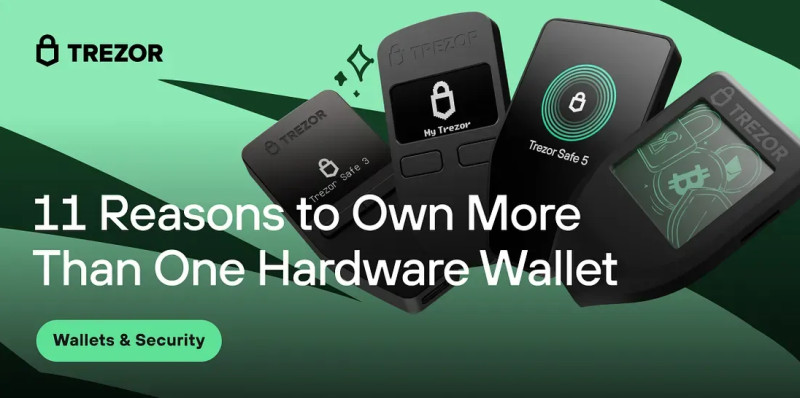
A blockchain login app often pairs with hardware for everyday sign in, but the cold device stays safe offline. I think a crypto trading wallet on mobile plus a hardware backup is a solid mix for anyone who trades size. You get speed when you need it and peace of mind when you sleep. Just keep a clear list of devices and seed backups.
Building a Portfolio with DCA
Bitcoin Store Wallet pushes dollar cost averaging, which means you invest a fixed amount at regular intervals no matter the price. This smooths out volatility, builds discipline and lowers your average entry over time. The source walks through steps: research coin purpose and team, define goals and risk limits, monitor regs and macro signals, then apply DCA with weekly or monthly buys. It is a calm way to build position without guessing tops.
Steps to build a portfolio
- Market research - read purpose, team, and on-chain data.
- Define goals - short trade, long hold, or mix with risk limits.
- Watch trends - regs, tech upgrades, macro signals.
- DCA strategy - fixed buys weekly or monthly.
- Allocation example - 50% BTC, 30% ETH, 20% alts or stable.
Discipline, patience, and risk management are the three key principles for every crypto investor.
The split above is just an example; you adjust to your own risk tolerance and horizon. A crypto trading wallet which supports DCA and research tools helps you stay calm during red days. I also saw mention of defi investing as part of broader plans, where yield vaults and staking sit next to spot trades. Keeping it simple at first is fine, then add defi later if you want.
Automated Strategies and Control
Diamond Pigs offers ready strategies you can blend with manual trades, aimed at both new and experienced traders. GASCON concentrates on Bitcoin and Ethereum for added security and exposure to the two largest assets. HEREFORD is Bitcoin centric, buying in bullish runs and selling in downturns. DUROC emphasizes diversification to reduce abrupt market impact, PENNYWELL aligns with eco friendly projects, and BERKSHIRE holds top ten crypto assets rebalanced monthly based on performance.
Strategy examples
- GASCON - BTC and ETH for security.
- HEREFORD - Bitcoin-centric timing trades.
- DUROC - diversify to soften market hits.
- BERKSHIRE - top 10 assets rebalanced each month.
You keep control over how much of your wallet runs on autopilot and can still do manual trades anytime. This fits folks who want a crypto trading wallet but also some hands off help during busy weeks. A crypto wallet development company might build such features into an app, but here it is a service layer on top of your own keys. The point is flexibility without losing custody.
Safety and Best Practices
No matter which crypto trading wallet you pick, self custody is the first rule. Hold your private keys and avoid leaving funds on exchanges unless you actively trade that moment. Back up seed phrases in separate physical locations and consider a passphrase for extra layers. For high value holdings, multi sig spreads signing authority across devices or trusted parties, and you should keep firmware and apps updated to patch known holes.
Security basics
- Self-custody - own your keys, not the exchange.
- Backup - hardware cold storage and multiple seed copies.
- Multi-sig - spread sign authority for big holdings.
- Updates - keep firmware and apps current.
- Monitor - enable alerts for logins and moves.
More wallets mean more responsibility. Keep a clear inventory of devices, secure backups, and follow best practices for passphrase and seed-phrase storage.
If you use a decentralized crypto exchange inside your wallet, check the contract rights before approving. And a vanguard crypto wallet is not a term from the source, but the idea of a leading safe wallet is sound when you trade active. I just want you to stay safe while moving funds, because one mistake can cost more than a missed trade. A careful crypto trading wallet user sleeps better at night.



Comments on “How to Choose a Crypto Trading Wallet for Active Traders”
No comments yet. Be the first to share your thoughts.