
What Is a DEX in Crypto? A Short Guide to Decentralized Exchanges

What Is a DEX in Crypto
You, probably, already wondered what is a dex in crypto. I get that question a lot here. A decentralized exchange, or DEX, is a service that uses smart contracts to run crypto trades. It is a decentralized crypto exchange where you swap coins right from your own wallet. No central boss holds your money. That is the big shift from the old style of central exchanges. I like to keep things plain, so just think of it as a swap desk that lives on chain.
So what is a dex in crypto at its core? It is a peer-to-peer marketplace built on blockchains. Users trade one crypto for another directly, without a middleman. The system relies on liquidity pools, not a single custodian who could run off with funds. Back in 2022, these platforms settled over $850 billion across more than 5 million users, which shows real usage. I think that number is wild for something with no central desk. The main word here is control, and that matters to a lot of people who want to own their coins.
How DEXs Work With Smart Contracts
The trades on a DEX happen through code on a blockchain. When teams create a smart contract logic for these trades, they put the rules on chain for all to see. You connect a self-custody wallet like MetaMask to the site. Then you approve the contract to spend your coins, and that costs a small gas fee. This step is you giving permission, not handing over keys. The contract only moves what you approved, and the blockchain records every step so you can trace it.
After approval, the swap runs by itself. ETH leaves your wallet and the other token arrives. No order book, no matching engine, no central server sits in the middle. I like that part because my coins stay in my hands until the trade fires. This is why folks say not your keys, not your coins. The trade is final once the block confirms, so you must check the numbers before you click. A simple mistake in address sends funds to the void.
Automated Market Makers and Pools
Most DEX trades use an automated market maker, or AMM. An AMM is a smart contract that holds pools of two tokens. The pool uses a math formula to price the trade. The common one is x times y equals k, where x and y are the token amounts and k stays constant. This keeps the pool balanced as trades happen. It is simple but clever, and it removes the need for a central price board.
Say you swap 1 ETH for USDC on Uniswap. The pool formula sets the price based on what is left in the pool. This method does not need a buyer and seller to match at the same moment. It just shifts the ratio. I find that neat but it can cause price slip on big trades. If the pool is small, your trade moves the price a lot. That is why large swaps need deep pools, and why aggregators later became useful.
Key Types of Decentralized Exchanges
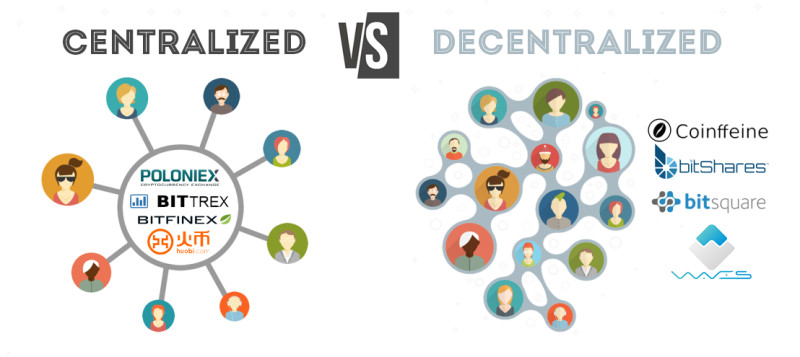
Not every platform that calls itself a DEX is the same. Some are more central than others under the hood. When you look for the top crypto exchange platforms , you should know these flavors. The word decentralized gets tossed around a lot, but tech folks argue about what it truly means. A service that matches people but uses Amazon servers is not fully decentralized in their eyes. To a regular user, the key is who holds the coins.
Main kinds of DEX setups
- Non-custodial peer-to-peer services like LocalBitcoins. They match buyers and sellers but never hold coins. They often skip KYC but still use central servers for backend.
- Crypto-to-crypto central platforms such as Binance or Bitfinex when limited to crypto pairs. They hold your assets and may ask for KYC based on region.
- True decentralized exchanges built on 0x or Uniswap. The trading logic lives in smart contracts, no single control point. Radar Relay is an early example on 0x.
- Permissioned DEX for institutions, like the one on XRP Ledger. It adds KYC-verified order books but keeps the ledger perks and speed.
- DEX aggregators that pull price and liquidity from many DEXes to give best execution. Analog Watch is one such data layer tool.
Popular DEX Platforms
When you search for best exchanges to trade cryptocurrency , a few names come up again and again. Uniswap is the largest on Ethereum and handles huge monthly volume. SushiSwap is a fork with extra rewards. Curve focuses on stablecoins with deep pools. Each one connects to wallets and uses AMMs. They list new tokens fast, which is both good and risky.
PancakeSwap runs on BNB Chain with very low gas fees but that chain is more central. Jupiter on Solana is fast and cheap. Balancer lets you build custom pools. Radar Relay is an early true DEX but with low volume. Each has its own feel for defi investing . I suggest trying a small swap on a known one before you go big. The interface may look odd at first, but it gets easier.
Well known DEX names and traits
- Uniswap: largest ETH-based DEX, great for ERC-20 swaps and new tokens. Gas can be $5 to $50 on Ethereum mainnet.
- SushiSwap: Uniswap fork with liquidity mining and broader governance features for holders.
- Curve Finance: stablecoin trading with low slip, like USDC to USDT, deep liquidity for those pairs.
- PancakeSwap: BNB Chain, gas under $0.50, familiar interface but chain is more central than Ethereum.
- Jupiter: Solana-based, near instant settlement around 400 ms, tiny fees near $0.0001.
- Balancer: custom pools with variable weights, giving liquidity providers more flexibility.
- Radar Relay: early 0x protocol DEX, on-chain order book, still very low volume today.
DEX Pros and Cons Versus Central Exchanges
I think the best way to see the value is to line up the good and bad next to central exchanges. A best free crypto trading platform might be a DEX in theory since no listing fees, but you still pay gas. Central exchanges give easy logins and fiat ramps, but they hold your coins. The trade-off is clear once you use both.
Good points of DEXes
- Self-custody: you keep your private keys, so not your keys, not your coins applies.
- Reduced security risk: a hack of the DEX does not take your funds since they sit in your wallet.
- Permissionless access: no KYC, anyone with a wallet can trade right away.
- Wide token range: new or obscure coins often listed immediately, no gatekeeper.
Weak points of DEXes
- Limited trading options: no margin or futures on most, just simple swaps.
- Slower speed: each trade needs on-chain execution, so more wait than a central match.
- Lower volume and liquidity: many pairs have high slip for big trades outside top pools.
- Less user friendly: you need a wallet, gas fees, and know how to paste addresses.
Good points of central exchanges
- User friendly: classic UI, easy onboarding, often fiat on-ramp for new folks.
- Fast execution: central order books match trades instantly with no chain lag.
- Advanced features: margin, futures, stop losses, staking services in one place.
- Customer support and compliance: dispute help and adherence to KYC rules.
Weak points of central exchanges
- Custody risk: you don't control keys, exchange hacks can drain your account.
- KYC needs: personal data required, reducing privacy for the user.
- Higher fees: trading, deposit, and withdrawal can be steep for active traders.
- Single point of failure: outages or regs can freeze withdrawals without warning.
What Is a DEX Pair
At its core, a DEX pair is two tokens you can trade against each other. Think of USD to BTC on old exchanges, but here both are crypto. Liquidity providers fund the pool, and traders swap based on the AMM formula. When you ask what is a dex in crypto, pairs are a big part of the answer. Without pairs there is no market, just empty contracts.
For example, an ETH-USDC pair lets you move between the two. The price shifts as people trade. If you provide tokens to that pool, you become a liquidity provider and earn fees, but watch out for loss we mention later. The pool lives on-chain for anyone to inspect. That open part is key, and it lets you verify the funds are there before you trade.
Risks and Security Worries
DEXes remove custodial risk but bring new ones. Smart contract bugs, flash loan attacks, and rug pulls are real. I warn you, do not skip this part if you plan to trade. The open code means anyone can read it, including thieves. You must do your own checks before approving any token.
Main risk types and fixes
- Smart contract exploits: bugs can be drained. Use battle tested DEXes and check audit reports from CertiK or Trail of Bits.
- Flash loan attacks: borrow big without collateral to twist prices. Rely on good price oracles and watch odd moves.
- System compromises: like Ronin Bridge where validator keys got taken. Use multi-sig and regular audits of bridges.
- Impermanent loss: price split can make LPs lose vs holding. Stick to stable pairs if unsure, or accept risk for yield.
- Rug pulls and scam tokens: anyone can deploy a token. Check liquidity lock, holder spread, and audit badges on DexScreener.
Smart Contract Exploits in History
Some past hacks show the danger. Poly Network lost $600M in Aug 2021 via a contract flaw. Wormhole Bridge lost $325M in Jan 2022 by faking signatures. Compound lost $147M in Sep 2021 from access control error. Euler Finance lost $197M in Mar 2023 via flash loan. These are not small bites, and they taught the space hard lessons.
A hack of the DEX does not directly expose user funds; assets stay in personal wallets.
Those are big numbers. But note the user wallet was not directly drained in many cases unless they approved the bad contract. That is why revoking approvals matters. I check mine often with tools that show token allowances. A little time spent saves a lot of pain, and it keeps you safe from old approvals you forgot.
The Decentralization Defense in Court
Legal fights sometimes use decentralization as a shield. In a U.S. Uniswap class action, plaintiffs said Uniswap Labs helped fraud by writing the code. The court tossed the claim, saying a code author is not liable for third party misuse. This is a key moment for open code and personal responsibility.
comparing it to a self‑driving car manufacturer being sued for a driver’s traffic violation
This raises hard questions about who is accountable when no boss exists. Regulators mull user interface rules or developer liability. I am not a lawyer, but it is a space to watch for kraken trading platform review type folks crossing into DEX talk. The debate will shape how free these tools stay, and whether front ends must add KYC later.
Permissioned DEX on XRP Ledger
Ripple built a permissioned DEX on the XRP Ledger for institutions. It uses credentials issued by trusted parties and permissioned domains where only approved accounts trade. This brings KYC-verified order books while keeping the ledger fast. The public DEX stays open, but this side adds rules for regulated money.
It lets banks swap stablecoins for fiat-pegged tokens without public exposure. Cross-border payments and treasury work get easier. The feature works with existing XRPL tools like DepositAuth and Clawback. Institutions can adopt the permissioned model from day one using same liquidity pool. That bridges old finance and new, and shows DEX tech is not just for fringe users.
Crypto Data Aggregators and DEX Aggregators
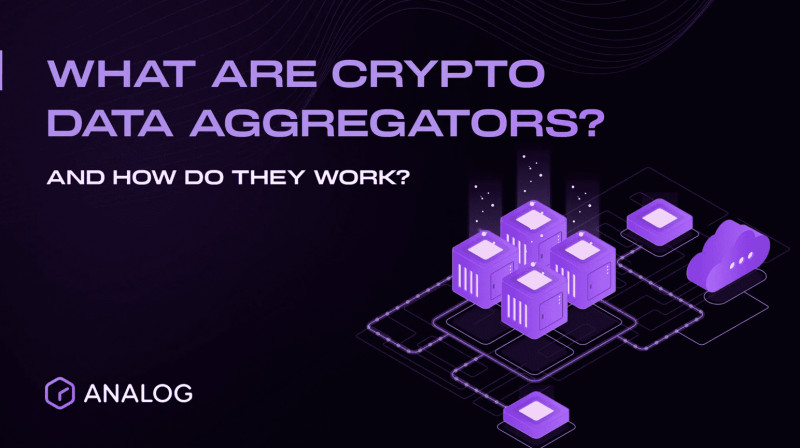
A crypto data aggregator pulls info from many chains into one view. For DEXes this means liquidity aggregators spread trades to cut slip, interest rate optimizers compare lending, and slippage aggregators split big orders. If you want the best crypto platform with lowest fees , these tools help spot them. They save you from opening ten tabs and guessing.
Analog Watch gives a GraphQL endpoint to query balances and prices without many RPC links. This makes building DeFi apps simpler. It is not a coinbase dex wallet but a data layer that helps you choose. I use such aggregators to compare rates before a swap. They show the best path across Uniswap, SushiSwap, PancakeSwap, and more.
Kinds of aggregator help
- Liquidity aggregators: spread a trade across pools to minimize slippage on big swaps.
- Interest rate optimizers: compare borrow and lend rates on Aave, Compound, Cream, etc.
- Slippage aggregators: break large orders into small chunks across venues to preserve price.
- Indexing protocols like Analog Watch: normalize data from multiple chains into one query.
Tools I Use to Check DEX Info
I keep a few sites open when I trade. DexScreener shows real-time pricing and liquidity across many blockchains. Analog Watch gives multi-chain analytics. The 0x protocol is an open standard to build on. ZK rollups are scaling fixes coming up that promise sub-second settlement with low gas. These help me avoid bad pools.
Handy tools for DEX users
- DexScreener: token pricing, liquidity depth, whale tracking across 50 plus chains.
- Analog Watch: decentralized data indexing for multi-chain DeFi analytics.
- 0x Protocol: open source standard for building DEX liquidity and order flow.
- ZK rollups: emerging scalability solutions for cheap, fast settlement layers.
Why Keeping Your Keys Matters
The core idea of what is a dex in crypto is you stay in control. With a lowest cost crypto exchange that is centralized, they hold your coins. On a DEX, you do. That shift is huge for personal freedom. You sign each move, and no ticket to support needed when things go right.
Not your keys, not your coins.
I care about this because losing access to a wallet means no support desk can help. So learn the basics, use audits, and start small. That is my plain advice for anyone curious about defi investing and the open market. Take your time and don't rush into strange tokens. The space is open, but that means you are the guard, and your keys are the only lock.

Comments on “What Is a DEX in Crypto? A Short Guide to Decentralized Exchanges”
No comments yet. Be the first to share your thoughts.