
Making Sense of Cryptocurrencies’ Prices, Tools, Risks, and Taxes
Cryptocurrencies’ Prices: What Moves Them and What to Watch
Let’s talk about crypto prices for a minute. They don’t move like stocks. They swing hard, fast, and sometimes for reasons that feel totally random. But dig a little deeper, and you start seeing patterns. It’s not all chaos. There’s method in the madness.
I’ve been tracking this stuff long enough to know that most people get lost in the noise. They chase charts or panic-sell when Bitcoin dips 5%. But if you step back and look at what actually drives prices, things get clearer. Supply, demand, trust, tech, regulation-everything plays a role. Let’s break it down.
Price Data and Tools: The Numbers Behind the Noise
You can’t make smart moves in crypto without good data. Real-time price feeds, historical trends, and charting tools are your bread and butter. APIs like Amberdata or CoinGecko pipe in live updates so you’re not flying blind. You don’t need to code your own setup unless you want to. But knowing where to look? That’s half the battle.
If you’re trading or investing, having reliable data sources matters. A solid foundation starts with trusting your feeds. Garbage in, garbage out, right?

Essential price-tracking tools
- Real-time price APIs (Amberdata, CoinGecko)
- Historical volatility stats and Sharpe ratios
- On-chain analytics for supply and movement data
- Derivatives data like open interest and funding rates
Trust, Utility, and Why Adoption Matters
New York Fed economists Michael Lee and Antoine Martin nailed it when they said crypto thrives where trust is thin. That’s the whole point of Bitcoin-no single validator controls it. Miners validate transactions in a decentralized way. Sounds great in theory. But trust still creeps in. People trust wallets, exchanges, even the code itself.
Adoption drives prices. When Square started testing Bitcoin, prices jumped. Why? More use cases mean more demand. It’s basic. But remember: trust is fragile. One bad actor or exploit can shake everything.
"Bitcoin has no central bank adjusting supply. That’s why it swings so much."
Sentiment vs. Fundamentals: What Really Moves Prices
Tech guys will tell you fundamentals matter. White paper quality, GitHub commits, real-world utility. But sentiment? That’s the wild card. Sherry Zhang’s research showed that investors care more about hype than hard tech sometimes. ICOs with shinier pitch decks raised more cash, even if the code was garbage.
That’s changing. Markets mature. But if you’re asking yourself what is the next big cryptocurrency, you’re not alone. Everyone’s hunting for the next winner. Just remember: shiny doesn’t always mean solid.
Factors that push crypto prices around
- Media coverage and social buzz
- Technology index scores from white paper analysis
- Exchange listings and liquidity events
- Macroeconomic trends (inflation, Fed moves)
Market Snapshots: Reading Between the Lines
A snapshot of the market tells you a story. Take one week where Bitcoin dropped 3.5% despite May historically being bullish. Or Stellar’s XLM surging 40% overnight because DTCC linked its tokenized securities platform. These moves aren’t random. They reflect real events.
Derivatives positions matter too. Funding rates, put/call ratios, liquidation heatmaps-they paint a picture of confidence. When longs get liquidated by the bucketload, it’s usually a sign things are getting shaky.
Privacy Coins: Niche Appeal or Growing Force?
Privacy coins like Monero and Zcash operate in the shadows. And literally. Their whole selling point is hiding who sent what to whom. But they’re not just for criminals anymore. As surveillance ramps up, people want financial privacy. Simple as that.
Regulators hate them. Exchanges delist them. But demand keeps ticking. Why? Because when governments clamp down on capital controls, people flee to privacy. It’s human nature.
Top privacy coins and how they hide transactions
- Monero: Ring signatures + stealth addresses + RingCT
- Zcash: zk-SNARKs for shielded transactions
- Dash: Optional CoinJoin mixing via PrivateSend
- Decred: Hybrid PoW/PoS with optional CoinShuffle++
"Financial privacy is a basic right, not a tool for crime."
Risk-Adjusted Returns: The Sharpe Ratio Reality Check
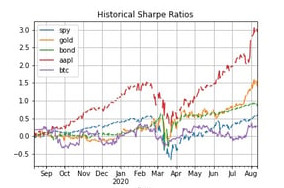
Returns mean nothing without context. A 20% gain sounds awesome until you realize volatility ate 60% of your portfolio last month. That’s where the Sharpe ratio comes in-it measures reward per unit of risk taken. Lower ratio? You’re getting chopped up for pennies.
Take Bitcoin versus gold or Apple stock. Over time, BTC showed lower correlation with equities than gold did. That’s huge for portfolio balance. But crypto still swings like a pendulum in a windstorm compared to bonds.
Tax Strategies: Offsetting Gains the Smart Way
Selling crypto at a loss stings. But done right, it can save your taxes. The IRS treats crypto as property-not currency. So loss harvesting works differently than with stocks. No wash-sale rule applies here. Sell low, buy back same day, claim the loss.
Example: You bought $50k worth of ETH, sold for $35k (ouch), then bought again at $35k. Later sold for $15k (double ouch). You just banked two losses-$15k and $20k-to offset gains elsewhere. Boom. Tax win.
Tips for smart crypto tax moves
- Sell losing positions to offset realized gains
- Track cost basis carefully-every trade counts
- Use losses to reduce ordinary income up to $3k annually
- Carry forward unused losses indefinitely
"Price volatility creates both gains and deductible losses."
Network Integrity: When Algorithms Collude
Decentralization sounds ideal until mining pools start playing nice. If big pools collude and grab most hashing power, they could reverse transactions or freeze the network. Confidence evaporates. Prices crash. That’s the risk when validation isn’t truly distributed.
Algorithmic collusion isn’t unique to crypto. Pricing bots on e-commerce sites do the same thing. But in blockchain, it’s harder to spot. Byzantine fault tolerance tries to prevent it-but doesn’t eliminate it.
Altcoin Season? Understanding the Crypto Stock Market Cycle
Crypto doesn’t trade in isolation. The crypto-stock link grows stronger every cycle. Fed hikes? Stocks drop. Crypto follows. Inflation fears? Money flows into both gold and altcoins. Correlation shifts, but never breaks completely.
Right now, some wonder what are best crypto to buy now during dips. Truth is, timing the market is brutal. Focus on projects solving real problems, not memes chasing pumps.
Key altcoin season signals
- Bitcoin dominance dipping below 50%
- Small-cap coins outpacing BTC
- Surge in alt index scores
- Increased retail chatter on forums
Free Signals vs. Doing Your Own Research
There’s a metric ton of free signals floating around Telegram groups and TikTok. Some guy shilling Dogecoin at $0.05 while wearing a lambo shirt-yeah, that’s probably fake. Even “professional” channels get it wrong constantly.
I’m not saying ignore them completely. Use them as data points, not gospel. Cross-reference with on-chain metrics, news catalysts, and technical analysis. Blindly following alerts is how you end up holding bags.
"Never trust a signal that promises quick riches. If it sounds too easy, it is."
Who’s Buying? Institutional FOMO vs. Retail Hype
Institutions enter quietly through ETFs and custody deals. Retails yells on Twitter and buys the dip on margin. Both affect prices-but differently. Institutions bring stability. Retail fuels volatility.
When BlackRock files for a Bitcoin ETF, whales take notice. Suddenly, short-term plays multiply. But retail FOMO? That’s what turns $100 into $1,000-and back to $200-in three days.
What moves prices: institutional vs. retail
- ETFs and pension fund allocations (slow burn)
- Exchange inflows/outflows (retail behavior)
- Social media trends and influencer mentions
- Regulatory whispers and policy leaks
Promising Projects Worth Watching Long-Term
Beyond the hype cycle, some projects solve real pain points. Ethereum’s upgrades tackle scalability. Solana fixes speed. Polkadot connects chains. Cardano builds sustainably. These aren’t pump-and-dump jokes . They’re infrastructure bets.
Ask yourself: does this project have staying power? Or is it a quick flip play ? If you can’t answer honestly, walk away.
Final Thoughts: Stay Curious, Not Greedy
Prices swing because markets swing. But understanding why helps you stay calm when others panic. Tools help. Taxes matter. Trust is everything. And sometimes, doing less beats doing more.
Keep learning. Stay skeptical. And above all-protect your downside. Crypto rewards patience far more than aggression.
"Volatility isn’t a bug-it’s the feature."


Comments on “Making Sense of Cryptocurrencies’ Prices, Tools, Risks, and Taxes”
No comments yet. Be the first to share your thoughts.