
How to Start Defi Investing and Feel Confident from the First Steps
What Defi Investing Means
I came to Defi Investing because I wanted to understand money without banks. Defi stands for decentralized finance - financial services that run on a blockchain with no middleman. You deal with other people directly. It’s a new way to handle cash, loans, and trades using crypto. The system is open and clear, which I find pretty refreshing.
When we talk about Defi Investing, we mean putting your crypto to work in those systems. You can lend, borrow, or earn interest. The main network for this is Ethereum, but others like Solana exist. I like that it’s open to anyone with internet. No bank account needed to start. Even small farmers far away can join if they have a phone.
DeFi describes financial services without banks or central platforms.
Financial exclusion is a real problem. Many adults worldwide stay unbanked, and millions in the US alone lack access. Defi Investing promises a fix by using blockchain to make fair access. That hits home for me, because money should be for everyone. The old system left more than a billion people out, most in emerging economies.
How Defi Works On Blockchain
The core of Defi Investing is the smart contract. It’s code on a blockchain that runs by itself. To create smart contracts , people write simple "if this then that" lines. Once set, no one can change it. Funds move only when conditions meet. That cuts out the need for a trusted third party.
Key parts of DeFi
- Blockchain ledger
- Smart contracts
- Personal wallets
- Decentralized apps (dApps)
You need a wallet to start Defi Investing. A hot wallet like MetaMask runs in your browser or app. Hardware wallets suit bigger sums for safety. Most apps do not take your coins; you keep control. That is a pretty big shift from bank custody where they hold your cash.
Smart contracts are self-executing contracts on a blockchain.
Defi Versus Traditional Finance
Traditional finance runs through banks and regs. Defi Investing cuts those out. You trade via apps on chain. This drops cost and speeds things up. It also opens doors for folks denied normal banking. I see this as a plain win for access.
Main differences
- Regulation: DeFi partial, TradFi full
- Security: code and user vs laws
- Custody: self wallet vs bank hold
- Availability: 24/7 vs fixed hours
Access is a key point. DeFi is open to anyone with internet and a wallet. TradFi needs a bank account and lots of paper. Transparency also differs: all DeFi tx data is public on chain. I find that pretty clear compared to closed bank books.
Common Defi Use Cases
There are many ways to do Defi Investing. You can lend crypto and get interest. You can borrow by locking your own coins as collateral. No credit check needed. Rates shift with supply and demand. Apps like Aave show this in action every day.
Things you can do
- Lend crypto for interest
- Borrow with over-collateral
- Trade on decentralized exchanges
- Stake to confirm tx and earn
- Yield farm across protocols
- Use stablecoins for less volatility
Small loans and flash loans help underbanked folks. P2P lending links people direct. Remittances cost less. These use cases show Defi Investing can serve real world needs, not just speculators. Microloans foster entrepreneurship where banks fear to tread.
What Is A Dex In Crypto
Let me explain what a dex in crypto is . It is a decentralized crypto exchange where users swap tokens directly. No central company holds funds. Uniswap is a famous one, running all day. It uses liquidity pools and code to set prices.
You can sell crypto without kyc on these platforms. That means no ID checks. DEXs use smart contracts to govern trades. Lower fees and no account limits make them a pretty simple entry for Defi Investing. I like that you just connect and go.
Wallets And Starting Tools
To connect to apps, you need a crypto trading wallet . This stores keys and links you to dApps. Some folks like a Coinbase dex wallet for ease. Others prefer a peer crypto wallet that talks straight to peers. Pick what fits your comfort.
It helps to know what the types of cryptocurrency are . There are native coins like ETH or BTC. There are tokens built on chains like UNI. Stablecoins such as USDC track the dollar. Each has a role in Defi Investing, from fuel to safe parking.
Wallet options
- MetaMask browser wallet
- Hardware wallet for big sums
- Argent on zkSync
- Coinbase dex wallet
Defi Market Size And Growth
We track Defi Investing health by Total Value Locked (TVL). This shows capital in smart contracts. TVL hit around 180 billion USD in 2021, then fell with the market. It stabilized from 2023 and has stood near 160 billion at times. The growth from 1 billion in June 2020 to that peak shows pretty quick uptake.
DeFi TVL grew from $1 billion in June 2020 to peak almost $200 billion in November 2021.
Crypto adoption grew faster than the internet at its peak, per some fund manager surveys. That tells me Defi Investing is not a tiny niche. But the market stays volatile, so size can swing. Don't read a single number as proof of safety.
Ai In Defi (Defai)
Adding AI to Defi Investing brings smart automation. Predictive algorithms tweak yields in real time. Autonomous agents can trade without a human. This mix is called DeFAI. It may handle portfolio rebalancing and fraud checks.
Some think AI-enhanced DeFi will take a chunk of tx volume as it grows. No person can run those calculations in seconds. Still, I say treat it as new and unproven. Don't bet the farm on bots. The tech is cool but not a crystal ball.
Layer 2 Defi Solutions
Layer 2 chains cut fees for Defi Investing. Argent wallet on zkSync lets you trade, earn, stake, lend. Costs can be up to 100X lower than main Ethereum. A trade via ZigZag may cost cents instead of tens of dollars. This makes small plays worth it.
Layer 2 perks
- Up to 100X lower fees
- Stake via Lido
- Lend stablecoins on Aave
- Earn via Yearn and Gro
zkSync uses atomic swaps and smart contracts are coming in 2.0. This builds on the base chain while saving cash. For a beginner in Defi Investing, Layer 2 is a kinder place to learn. I'd start there to avoid big gas shocks.
Defi For Financial Inclusion
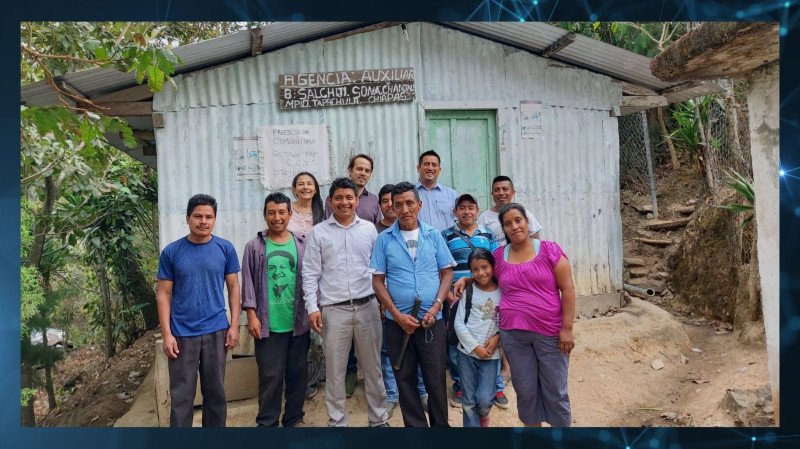
Defi Investing can help real people. EthicHub links DeFi to small farmers without bank access. They built a credit system with no collateral and zero defaults so far. The ETHIX token helps scale loans. It shows code can serve the poor, not just traders.
So, it’s a big operating system powered by crypto tokens, for the purpose of moving around… crypto tokens.
Oracles like Pyth Network bring outside data on-chain. This gives regular folks the same market info as big funds. That levels the field for Defi Investing. Real world data used to be locked behind paywalls; now it is open.
Defi Investing Strategies For Beginners
Start small with Defi Investing. Open a crypto exchange and park stablecoins to earn yield. Gemini has offered 8 percent. Look for highest stablecoin yields while you learn the ropes. Make money while you read, that is the play.
Funds like Four Moons partner with RIAs to manage millions, but minimums are high. A simple personal plan: hold a goal portfolio and let yield buy more. The crypto barbell mix of stablecoins and high-risk coins suits newbies. Concentrated picks of three or four tokens keep it simple.
Beginner steps
- Open exchange account
- Buy stablecoin
- Earn yield while learning
- Join community Discord
You might see ads for free crypto airdrop instant withdraw . Be careful, many are bait. Defi protocols give no personal advice; choices are yours. Only put in what you can afford to lose, that is my rule of thumb.
Risks And Challenges
Hey, don't skip this part. Defi Investing carries real risks. Code errors in smart contracts can lose funds with no undo. Hacks happen. Market drops can liquidate your collateral. No agency protects your deposit like a bank does.
Risk list
- Code bugs
- Security loopholes
- Market swings
- Lost seed phrase
DeFi is all hype layered on hype.
The decentralization myth matters. Many DeFi apps rely on central nodes like Infura, which halted in 2020. Oracles are a central failure point. Governance tokens often concentrate power, with few voters showing up. Keep eyes open and don't trust labels blind.
Regulation And Governance
Defi Investing sits in a fog of rules. Platforms use DAOs and governance tokens. Some states formed DAO LLCs: Wyoming in July 2021, Tennessee in April 2022. Federal agencies debate how to apply old laws. The SEC proposed expanding rules to DeFi platforms.
Regulation facts
- CFTC and SEC enforcement
- State DAO LLCs
- KYC/AML required at points
- Proposed Rule 3b-16 expansion
Regulators target developers and validators as intermediaries. This could shape Defi Investing for years. I watch it but don't panic. Clear regs might actually help everyday users feel safe.
Future Outlook
People compare Defi Investing to the internet in the 90s. Adoption curves look similar but faster. We might be at a 1994-95 stage, pre-Google. Traditional finance starts to fold in DeFi bits like bank staking. OpenSea is called the Amazon of crypto by some.
The crypto world is currently acting as if it can have the cake (replace banks) and eat it too (escape all regulation).
I think Defi Investing will keep growing, but hurdles remain. Tech, education, security, and reg uncertainty need work. Coordinated effort can make it a default system. I'm here to learn alongside you, and I hope this plain walkthrough helps.



Comments on “How to Start Defi Investing and Feel Confident from the First Steps”
No comments yet. Be the first to share your thoughts.